| Name | Dr. Mrunalini Vinay Kalikar (Dr. Sonali Anil Pimpalkhute) |
|---|---|
| Photo | 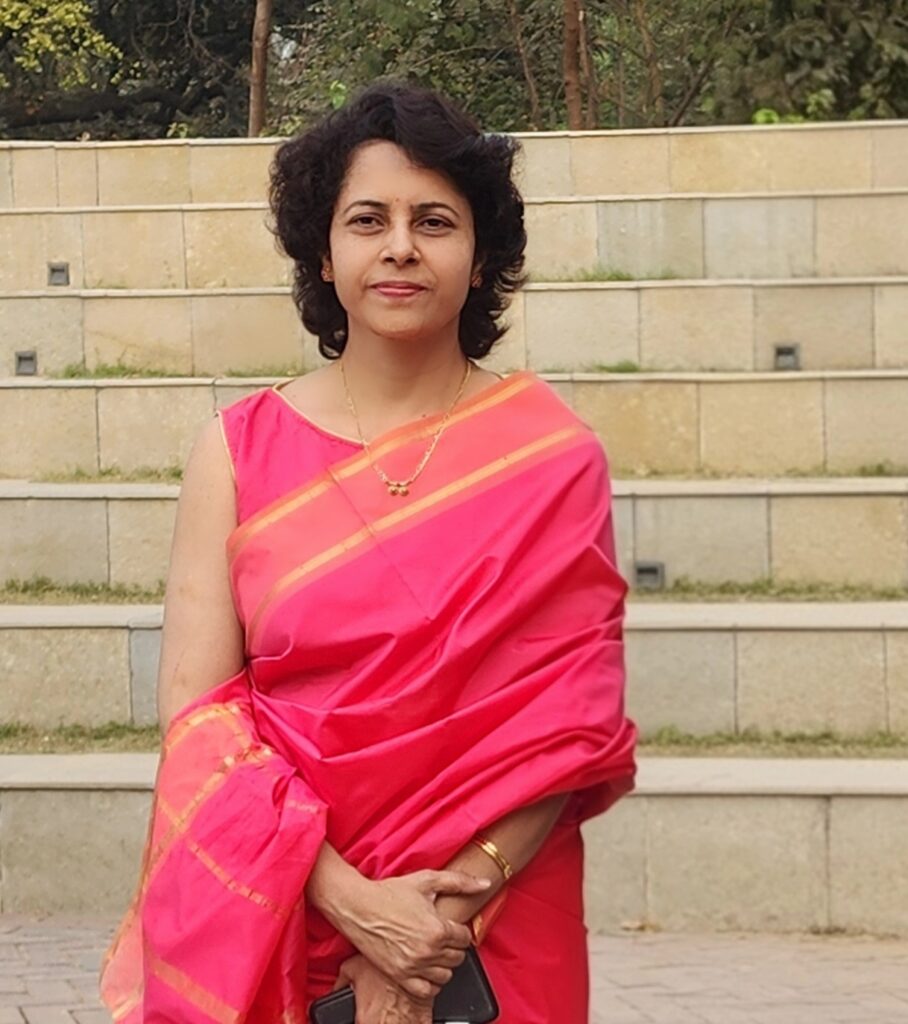 |
| Designation | Professor & HOD, Pharmacology, GMC, Bhandara |
| Qualification | MBBS, MD Pharmacology |
| Total Experience | 25 years |
| Current Workplace | Department of Pharmacology, GMC, Bhandara |
| Organization | Government Medical College, Bhandara |
| Current Professional Address | Department of Pharmacology, GMC, Bhandara |
Experience as Ethics Committee Member and Related to Clinical Trials
- Worked as Member Secretary, IEC, GMC, Nagpur
since October 2019–2026. - Editor of Research Ethics section of
Perspectives in Clinical Research,
PubMed-indexed journal (official publication of
Indian Society for Clinical Research). - Co-Chair of Ethics Council of ISCR
(Indian Society for Clinical Research). - Member of Subject Expert Committee of CDSCO.
- Involved in validation of SAE software by DCGI,
Delhi on 1.9.2020. - Life time member of FERCI:
Forum for Ethics Review Committee in India. - Life member of National Association of Pharmacology
& Therapeutics (NPT).
Clinical Research Experience
- Conducted two clinical trials in the year 2021.
- As CO-PI in Solidarity Trial by WHO.
- As a PI in Prospective, Open Label,
Multicenter, Single Arm, Post Marketing
Study for evaluation of safety and efficacy
of Favipiravir in adult Indian patients with
mild to moderate COVID-19 diseases.
- As Member Secretary of IEC, reviewed and given
approval to nearly more than 80 clinical trials
of Phase II–IV in the last 6 years. - As a part of EC, recommended 2 financial
compensations to DCGI. - Publications:
64 in various international
and national journals. - Organized 24 workshops on GCP
and Ethics. - Organized workshop on Pharmacokinetics under
the aegis of NPT.
Grant / Award Received
| Serial No. | Research for Which Award Was Received | Name of Organization | National / Grant | Year | Grant Received |
|---|---|---|---|---|---|
| 1 | Received Hall of Fame Award in annual conference organized by Indian Society of Clinical Research on 09th Jan. 2025. |
Indian Society of Clinical Research | National | 2025 | Yes |
| 2 | Received Hall of Fame Award in annual conference organized by Indian Society of Clinical Research on 2nd Feb. 2024. |
Indian Society of Clinical Research | National | 2024 | Yes |
| 3 | Received Hall of Fame Award 2021 in annual conference organized by Indian Society of Clinical Research on 4th & 5th March 2022. |
Indian Society of Clinical Research | National | 2022 | Yes |
| 4 | Comparative study of efficacy and safety of parenteral iron sucrose vs. ferric carboxy maltose in treatment of post partum iron deficiency anemia. |
Government Medical College, Nagpur | National | 2018 | Yes |
| 5 | Awarded ‘Late Madhavrao Chitnavis Clinical Research Fellowship 2003–2004’ for the study titled “Immunomodulatory effect of Tinospora Cordifolia in HIV positive patients.” |
Late Madhavrao Chitnavis Trust | National | 2003–04 | Yes |
Research Received ICMR Grant for Postgraduate Thesis Work as a Guide
- Comparative study of efficacy and tolerability of
topical therapy with 0.1% tacrolimus cream versus
2% Tofacitinib cream in participants of childhood
vitiligo: A randomized, parallel group, split body,
open-label study. - Comparative study of efficacy and tolerability of
topical therapy with 2% Naftifine cream versus
1% Luliconazole cream in patients of Tinea corporis:
A randomized, parallel group, open-label study.
Research Received ICMR Grant for STS Thesis Work as a Guide
Knowledge, attitude and practice on self-medication of
Vitamin D among medical undergraduate and resident doctors
in a tertiary care teaching center: A cross-sectional study.
Additional Achievements
- Member Secretary of Institutional Ethics Committee
(IEC), GMC, Nagpur, since 2019. - Faculty of MET Unit at GMC, Nagpur.
- Completed advance course in Basic Course in
Medical Education (BCME). - Faculty of Research Methodology Workshop, organized
by MUHS, Nashik at GMC, Nagpur. - Organizing Secretary of 15 workshops on GCP,
GMC, Nagpur. - Co-author for Chapter No. 54 on
“Basic Statistical Analysis for Original Studies”
in the Monograph
“A Guide to the Scientific Career: Communication,
Conducting Research and Writing Effective Papers”
under publication by Wiley Blackwell John Wiley
and Sons, Inc.
Papers Presented
- National Conference of Forum for Ethics Review
Committees in India (FERCICON 2021). - National Conference of Forum for Ethics Review
Committees in India (FERCICON 2019–20). - In 45th Annual Conference of Indian Pharmacological
Society on 5th to 7th Jan 2013 –
Evaluation of awareness about Pharmacovigilance
and adverse drug reaction monitoring in resident
doctors of a tertiary care teaching hospital.
- “Indian Society for Rational Pharmacotherapeutic”
on 24th–25th Feb 2010 –
Effect of zinc salts on acid secretion and
peptic ulceration in albino rats.
- 38th Annual Conference – Indian Pharmacological Society;
at Chennai on 28th–30th Dec 2005 –
Immunomodulatory effects of Tinospora cordifolia
extract in HIV positive patients.
ABOUT THE DEPARTMENT
INSTITUTIONAL ETHICS COMMITTEE (IEC)
INSTITUTIONAL ETHICS COMMITTEE (IEC), GMC Bhandara
is registered with Dept. of Health Research.
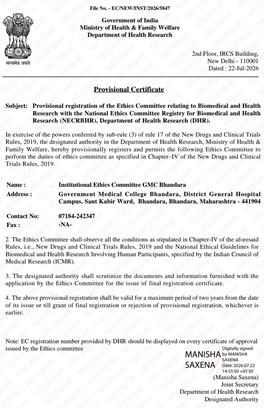
The Constitution of Ethics Committee is as follows:
Medical Education Unit (MEU)
The Medical Education Unit (MEU) has been established
in the Govt. Medical College Bhandara, which primarily
focuses on:
- Training medical faculty
- Improving teaching methods
- Overseeing the curriculum
Members of Medical Education Unit (MEU)
| Sr. No. | Name of Member | Designation / Role |
|---|---|---|
| 1 | Dr. Sujata Dhudhgaokar | Chairman |
| 2 | Dr. Mrunalini Kalikar | MEU Coordinator |
| 3 | Dr. Manoj Talapalliwar | Member |
| 4 | Dr. Rajratna Ramteke | Member |
| 5 | Dr. Madhuri Dofe | Member |
| 6 | Dr. Mangesh Tekade | Member |
| 7 | Dr. Dhiraj Sagrule | Member |
| 8 | Dr. Bhagyashree Tirpude | Member |
| 9 | Dr. Mahesh Jajulwar | Member |
| 10 | Dr. Shilpa Narkhede | Member |
| 11 | Dr. Pragati Bhole | Member |
Mandated by regulatory bodies like the
National Medical Commission (NMC), their primary
goal is to ensure high-quality healthcare education. MEUs act as
the backbone for continuous professional and educational development.
Main Objectives and Functions
Faculty Training
Conducting workshops and training programs in Medical Education
Technology (MET) to help doctors become better teachers.
Curriculum Development
Collaborating with committees to update syllabi, ensuring the
course aligns with modern medical practices and standards.
Teaching Evaluation
Monitoring theoretical and practical teaching processes to provide
constructive feedback and maintain quality standards.
Technology Integration
Overseeing modern learning tools, such as simulation centers,
virtual learning environments, and skills labs for hands-on training.
Introduction
Department of Pharmacology, Government Medical College, Bhandara
is under Medical Education and Drugs Department (MEDD),
Mantralaya, Mumbai.
Mission
Undergraduate and Postgraduate teaching and training of students
in pharmacology as per the NMC Guidelines.
UNDERGRADUATE TEACHING
As a teaching institute we are committed to train the students
undergraduates so that they become competent, skilful, ethical,
knowledgeable and on whom a society can rely.
1. Goal
The broad goal of teaching pharmacology to undergraduate students
is to inculcate in them a rational and scientific basis of
therapeutics.
2. Educational Objectives
(a) Knowledge
At the end of the course, the student shall be able to:
- Describe the pharmacokinetics and pharmacodynamics of
essential and commonly used drugs. - List the indications, contraindications, interactions and
adverse reactions of commonly used drugs. - Indicate the use of appropriate drug in a particular disease
with consideration of its cost, efficacy and safety for
individual needs. - Describe the pharmacokinetic basis and pharmacotherapy of
common poisonings. - Integrate the list the drugs of addiction and recommend
the management. - Write the prescription for common emergency clinical
disorders. - Explain pharmacological basis of prescribing drugs in
special medical situations such as pregnancy, lactation,
infancy and old age. - Explain the concept of rational drug therapy in clinical
pharmacology. - State the principles underlying the concept of Essential
Drugs. - Evaluate the ethics and modalities involved in the
development and introduction of new drugs.
(b) Skills
At the end of the course, the student shall be able to:
- Prescribe drugs for common ailments in experimental
pharmacology (pharmacy). - Identify adverse reactions and interactions of commonly
used drugs. - Interpret the data of experiments designed for the study
of effects of drugs and bioassays which are observed
during the study. - Be well conversant with the principles of pharmacy and
dispense the medications giving proper instructions,
ability to write the label of medicinal preparation. - Active learning in pharmacology: presentation of seminar,
microteaching (public speech ability), quiz (immediate
recall ability), CME topic and research methodology
(problem solving ability, rational use of medicines,
analytical skill development).
POSTGRADUATE TEACHING
1. Goal
The broad goal of teaching pharmacology to Postgraduate students
is to inculcate in them a rational and scientific basis of
therapeutics, clinical pharmacology, experimental pharmacology
and others.
2. Educational Objectives
(a) Knowledge
At the end of the course, the student shall be able to:
- Describe the pharmacokinetics and pharmacodynamics principles
and applied aspect of essential and commonly used drugs. - List the indications, contraindications, interactions and
adverse reactions of commonly used drugs. - Indicate the use of appropriate drug in a particular disease
with consideration of its cost, efficacy and safety for
individual needs. - Describe the pharmacokinetic basis and pharmacotherapy of
common poisonings and disorders. - Integrate the list the drugs of addiction and recommend
the management. - Write the prescription for common emergency clinical
disorders. - Explain pharmacological basis of prescribing drugs in
special medical situations such as pregnancy, lactation,
infancy and old age. - Explain the concept of rational drug therapy in clinical
pharmacology. - State the principles underlying the concept of Essential
Drugs. - Evaluate the ethics and modalities involved in the
development and introduction of new drugs. - Pharmacovigilance: ADR monitoring reporting related.
- Research methodology.
- Drug utilization study.
- Pharmacoeconomics.
- Pharmacogenomics and pharmacogenetics.
- Therapeutic drug monitoring.
- Medical stores functioning in relation to drug procurement
for wards and OPD patients. - Animal housekeeping related knowledge
(presently animal experimentation, dissection and
sacrificing has been banned by central govt.).
The student should be well equipped with the knowledge of newer
medicines and of the newer emerging treatment modalities.
(b) Skills
At the end of the course, the student shall be able to:
- Prescribe drugs for common ailments in experimental
pharmacology (pharmacy). - Identify adverse reactions and interactions of commonly
used drugs. - Interpret the data of experiments designed for the study
of effects of drugs and bioassays which are observed
during the study. - Be well conversant with the principles of pharmacy and
dispense the medications giving proper instructions,
ability to write the label of medicinal preparation. - Scan information on common pharmaceutical preparations
and critically evaluate drugs and bioassay which are
observed during the study. - Pharmacovigilance: ADR monitoring AND reporting related
skills. - Research methodology.
- Drug utilization study.
- Pharmacoeconomics.
- Pharmacogenomics and pharmacogenetics.
- Therapeutic drug monitoring.
VISION DOCUMENT
Department of Pharmacology
Vision
To develop the Department of Pharmacology as a centre of
excellence in rational, evidence-based and safe use of medicines
through innovative undergraduate and postgraduate education,
scientifically guided drug procurement, robust pharmacovigilance,
and research-oriented clinical practice.
Long-term Vision
“Educate for rational prescribing, procure for value, monitor
for safety, and research for better therapeutics.”
Mission
The Department will strive to:
- Provide competency-based, student-centred teaching in
pharmacology for undergraduate medical students. - Develop postgraduate scholars with strong foundations in
pharmacological sciences, clinical therapeutics, research
methodology and critical appraisal of medical literature. - Promote rational prescribing and safe medication practices
among students, residents and healthcare professionals. - Establish transparent, evidence-based and cost-effective
systems for drug selection and procurement. - Strengthen adverse drug reaction (ADR) reporting,
assessment, monitoring and prevention through an effective
pharmacovigilance programme. - Encourage interdisciplinary collaboration with clinical
departments, pharmacy services, laboratory services and
hospital administration. - Promote research addressing local healthcare needs,
medication safety and rational drug use.
1. Undergraduate Teaching
The Department will transform undergraduate pharmacology education
from predominantly didactic learning to competency-based,
clinically oriented and experiential learning.
Key Initiatives
- Integrate pharmacology with pathology, microbiology,
physiology and clinical subjects wherever appropriate. - Use case-based learning, problem-solving exercises,
prescription-writing sessions and clinical scenarios. - Strengthen practical teaching through prescription audits,
drug-information exercises, dosage calculations and
interpretation of drug-related clinical data. - Introduce structured teaching on rational prescribing,
essential medicines, antimicrobial stewardship, medication
errors and adverse drug reactions. - Use simulation, digital resources, interactive presentations
and online learning platforms to complement classroom teaching. - Regularly assess students through formative assessments,
OSPE/OSPE-style activities, case discussions and
competency-based evaluation. - Encourage students to participate in ADR reporting and
pharmacovigilance activities.
Expected outcome:
Graduates should be able to select medicines rationally,
write safe and appropriate prescriptions, recognize common
adverse drug reactions and communicate effectively with
patients regarding medicines.
2. Postgraduate Teaching and Training
The postgraduate programme will aim to produce pharmacologists
capable of functioning as academicians, researchers, clinical
pharmacology professionals and medication-safety leaders.
Key Initiatives
- Provide comprehensive training in basic and clinical
pharmacology. - Develop expertise in pharmacokinetics, pharmacodynamics,
clinical trials, drug development and regulatory principles. - Strengthen training in biostatistics, epidemiology,
research methodology and scientific writing. - Encourage critical appraisal of clinical trials, systematic
reviews, guidelines and pharmacotherapy literature. - Provide structured exposure to pharmacovigilance, ADR
assessment, signal detection and medication safety. - Facilitate interdisciplinary learning with clinical
departments and hospital-based services. - Encourage participation in conferences, workshops,
journal clubs, seminars and research projects. - Promote high-quality publications and research projects
addressing clinically relevant and locally important problems.
Expected outcome:
Postgraduates should be competent to teach pharmacology,
undertake independent research, critically evaluate evidence
and contribute meaningfully to rational and safe pharmacotherapy.
3. Drug Procurement and Rational Medicine Selection
The Department will contribute to establishing a transparent,
evidence-based and economically sustainable drug procurement
system in collaboration with hospital administration, pharmacy
services and the appropriate institutional committees.
Vision for Procurement
Drug procurement should be based on:
- Efficacy and safety
- Evidence-based selection
- Essential medicines principles
- Cost-effectiveness
- Quality assurance
- Institutional and local disease burden
- Availability and continuity of supply
- Pharmacovigilance and medication-safety data
Proposed Activities
- Strengthen the Drug and Therapeutics/Pharmacy &
Therapeutics Committee. - Develop and periodically review an institutional formulary.
- Promote procurement using evidence-based selection criteria
rather than brand preference. - Incorporate pharmacovigilance findings and ADR patterns
into formulary decisions. - Monitor medicine utilization and identify inappropriate
or excessive use. - Promote generic prescribing and cost-effective therapeutic
alternatives where clinically appropriate. - Establish mechanisms for periodic review of high-cost,
high-risk and frequently used medicines. - Coordinate with procurement and pharmacy personnel to
minimize stock-outs, wastage and irrational inventory. - Use prescribing and utilization data to support future
procurement decisions.
Expected outcome:
Availability of quality-assured, essential, safe and
cost-effective medicines while minimizing irrational use
and avoidable expenditure.
4. Pharmacovigilance and Medication Safety
The Department will develop a strong institutional
pharmacovigilance culture, making medication safety an integral
part of undergraduate education, postgraduate training and
clinical practice.
Core Objectives
- Increase awareness and reporting of suspected ADRs.
- Improve the quality and completeness of ADR reports.
- Facilitate timely assessment, documentation and
communication of suspected adverse reactions. - Identify medication-safety problems and prevent recurrence.
- Promote reporting of serious, unexpected and clinically
important adverse events. - Conduct regular pharmacovigilance awareness programmes
for healthcare professionals and students. - Develop collaborations with clinical departments for
active identification of ADRs. - Use pharmacovigilance data to inform prescribing,
formulary decisions and drug procurement.
Proposed Pharmacovigilance Cell
The Department may establish/strengthen a dedicated
Pharmacovigilance and Medication Safety Cell with:
- Departmental pharmacology faculty.
- Trained postgraduate students.
- Designated ADR reporting coordinators.
- Representatives from clinical departments.
- Nursing and pharmacy representatives.
- Hospital administration representatives, as appropriate.
The Cell should maintain appropriate records, conduct periodic
review of ADR reports, provide feedback to reporting departments
and ensure reporting through the applicable national
pharmacovigilance system.
5. Research and Innovation
The Department will promote research that connects pharmacological
science with real-world clinical problems.
Priority Areas
- Adverse drug reactions and medication safety.
- Rational prescribing and prescription audits.
- Drug utilization studies.
- Antimicrobial use and stewardship.
- Pharmacoeconomics and cost-effectiveness.
- Clinical pharmacology and therapeutic drug monitoring
where appropriate. - Drug interactions and medication errors.
- Real-world evidence and pharmacoepidemiology.
- Evaluation of newer teaching-learning methodologies.
- Local medicine-use patterns and healthcare priorities.
Students and postgraduate scholars will be encouraged to develop
research questions from actual clinical and public-health needs.
6. Digital Transformation
The Department will progressively adopt digital tools for
teaching, research and medication safety.
Proposed Initiatives Include:
- Digital pharmacology resources and learning repositories.
- Electronic documentation of ADRs.
- Digital dashboards for pharmacovigilance indicators.
- Electronic prescription audits.
- Medicine-utilization databases.
- Online journal clubs and seminars.
- Digital drug-information services.
- Appropriate use of data analytics and artificial intelligence
as decision-support tools, with human oversight and evidence
verification.
7. Quality Improvement and Key Performance Indicators
The Department will periodically assess its performance using
measurable indicators.
Suggested Indicators
Teaching
- Student attendance and academic performance.
- Competency achievement.
- Student feedback.
- Number of interactive/case-based teaching sessions.
- Prescription-writing and rational-use competencies.
Postgraduate Education
- Completion of academic activities.
- Research projects and publications.
- Conference/workshop participation.
- Competency in research methodology and critical appraisal.
Drug Procurement
- Percentage of formulary-based procurement.
- Frequency of stock-outs.
- Medicine utilization trends.
- Cost-saving/cost-effectiveness initiatives.
- Periodic formulary review.
Pharmacovigilance
- Number and quality of ADR reports.
- Reporting from different clinical departments.
- Serious ADR identification and appropriate follow-up.
- Pharmacovigilance awareness programmes conducted.
- Medication-safety interventions implemented.
8. Five-Year Strategic Roadmap
Year 1 – Foundation
- Review existing teaching, procurement and
pharmacovigilance practices. - Strengthen departmental committees and documentation.
- Develop SOPs for ADR reporting and medication-safety activities.
- Establish baseline KPIs.
- Introduce enhanced case-based and prescription-oriented
UG teaching.
Year 2 – Integration
- Expand interdisciplinary teaching.
- Strengthen ADR reporting across clinical departments.
- Initiate regular prescription and drug-utilization audits.
- Develop/revise institutional formulary processes.
Year 3 – Expansion
- Establish structured postgraduate clinical pharmacology
exposure. - Develop departmental drug-information and medication-safety
services. - Initiate multicentre or interdisciplinary research where feasible.
- Introduce digital monitoring of key pharmacovigilance indicators.
Year 4 – Excellence
- Strengthen research output and external collaborations.
- Develop advanced pharmacovigilance and pharmacoepidemiology
projects. - Use procurement and utilization data to support
evidence-based medicine selection. - Organize regional/national academic programmes.
Year 5 – Centre of Excellence
- Position the Department as a recognized centre for
pharmacology education, rational medicine use and
pharmacovigilance. - Develop sustainable research collaborations.
- Establish a mature medication-safety and pharmacovigilance
ecosystem. - Benchmark departmental outcomes against leading institutions.
- Continuously revise the strategy based on outcomes,
evidence and healthcare needs.
Conclusion
The Department of Pharmacology will evolve beyond its traditional
role as a teaching department into an integrated centre for
pharmacology education, rational therapeutics, medication safety,
pharmacovigilance, evidence-based drug procurement and research.
By linking
UG education → PG training → clinical practice →
pharmacovigilance → drug utilization → procurement → research
,
the Department can directly contribute to safer, more rational,
affordable and evidence-based healthcare.
| SR NO | IMAGE | NAME | DEPARTMENTS | QUALIFICATION | IMR NUMBER | DESIGNATION | DATE OF PROMOTION | NATURE OF EMPLOYMENT |
|---|---|---|---|---|---|---|---|---|
| REGULAR / PERMANENT / CONTRACT / OUTSOURCED | ||||||||
| 1 | 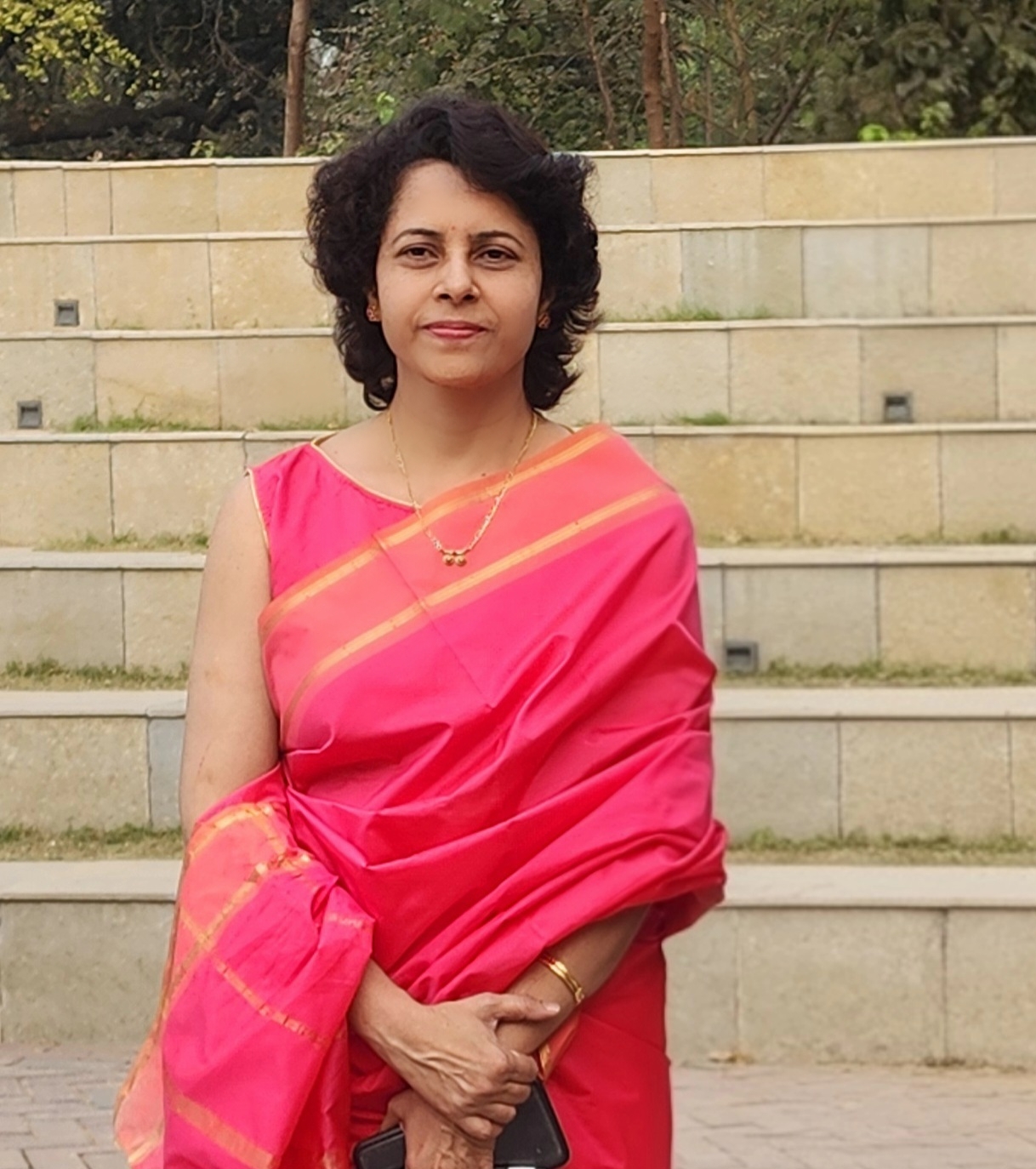 |
Dr Mrunalini Kalikar | Pharmacology | MBBS, MD (Pharmacology) | 81457 | Professor & HOD | 17/02/2026 | Regular |
| 2 |  |
Dr Harshal N Pise | Pharmacology | MBBS, MD (Pharmacology) | 2008/09/3332 | Associate Professor | 18/10/2024 | Regular |
| 3 | 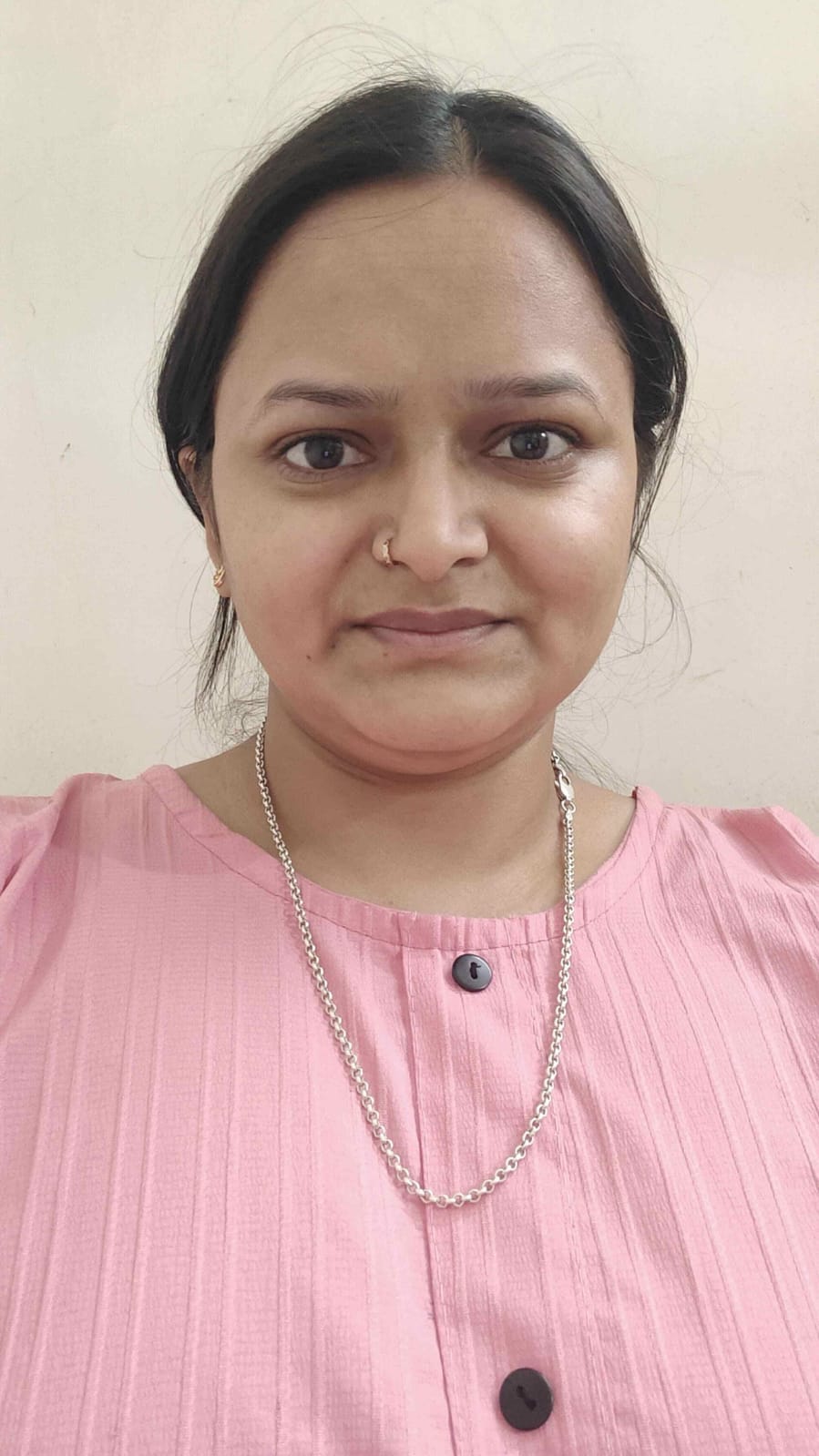 |
Dr Sarita Saini | Pharmacology | MBBS | 2025/05/03813 | Tutor | 1/6/2026 | Contractual |
| 4 | 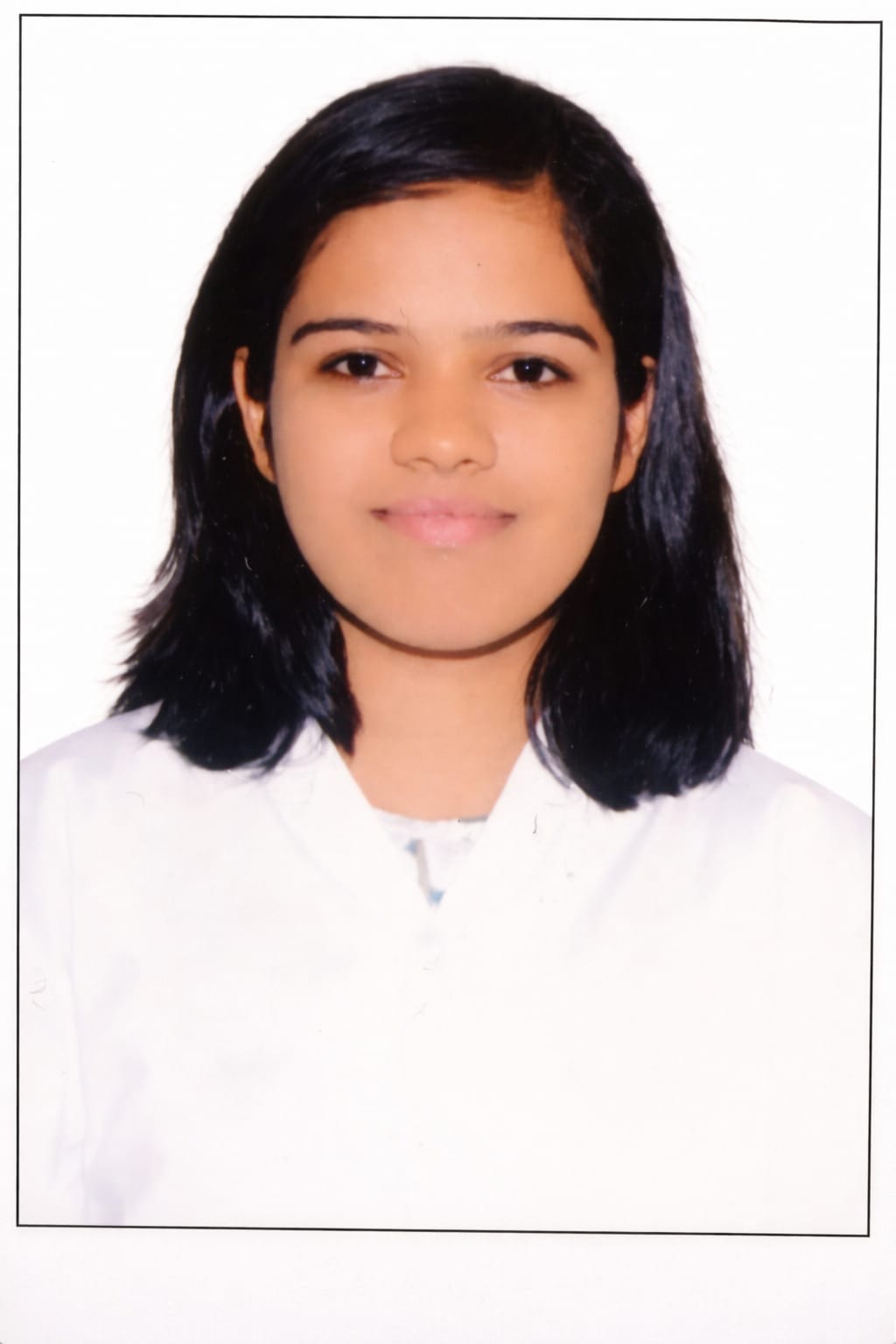 |
Dr Rutuja Kirpankar | Pharmacology | MBBS | 2026/05/04497 | Tutor | 30/05/2026 | Contractual |
| 5 |  |
Dr Himanshu Rohin | Pharmacology | MBBS | 2025/07/08785 | Tutor | 10/6/2026 | Contractual |
| 6 | 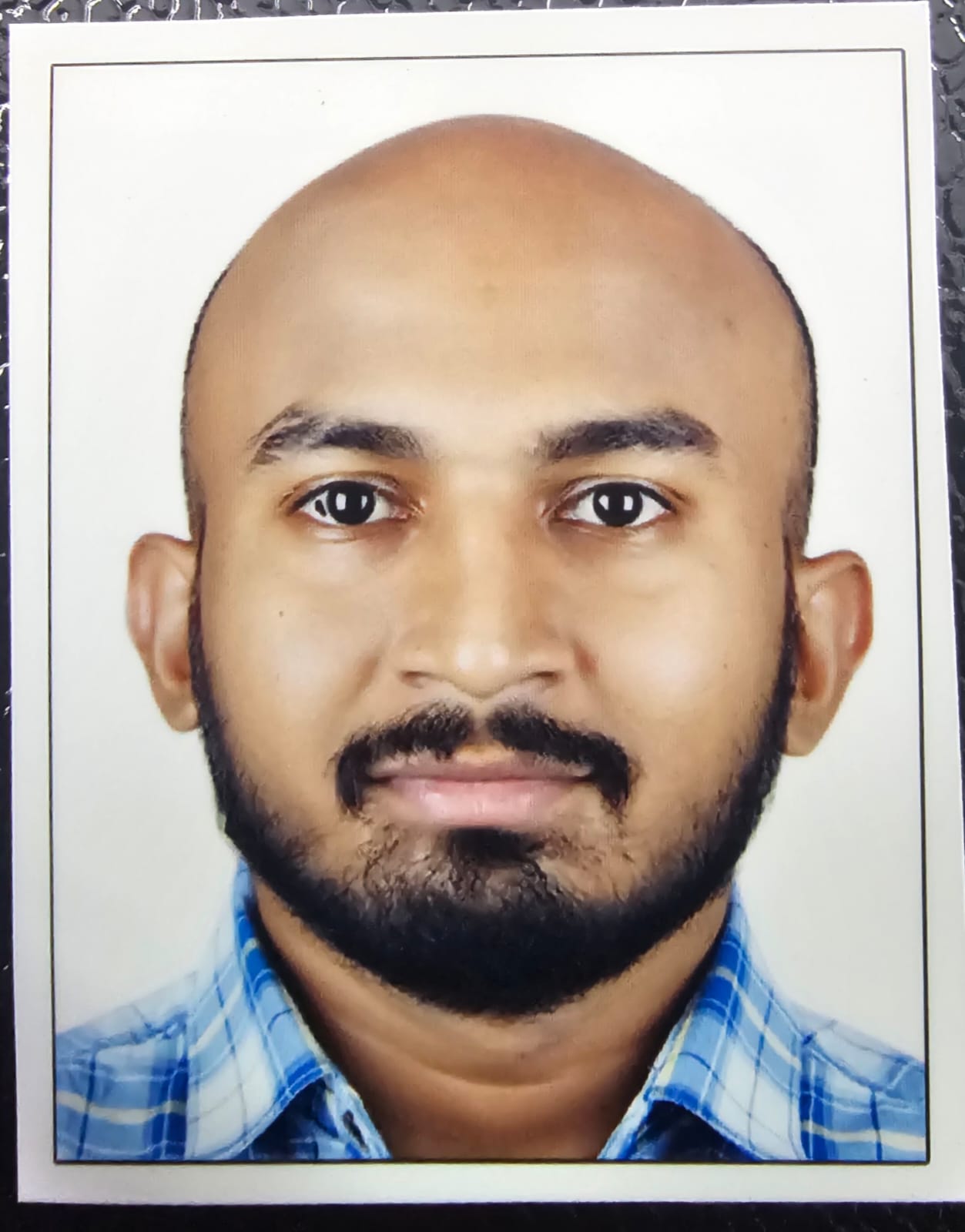 |
Dr Kunal Kapse | Pharmacology | MBBS | 2026/05/04501 | Tutor | 1/6/2026 | Contractual |
| 7 | 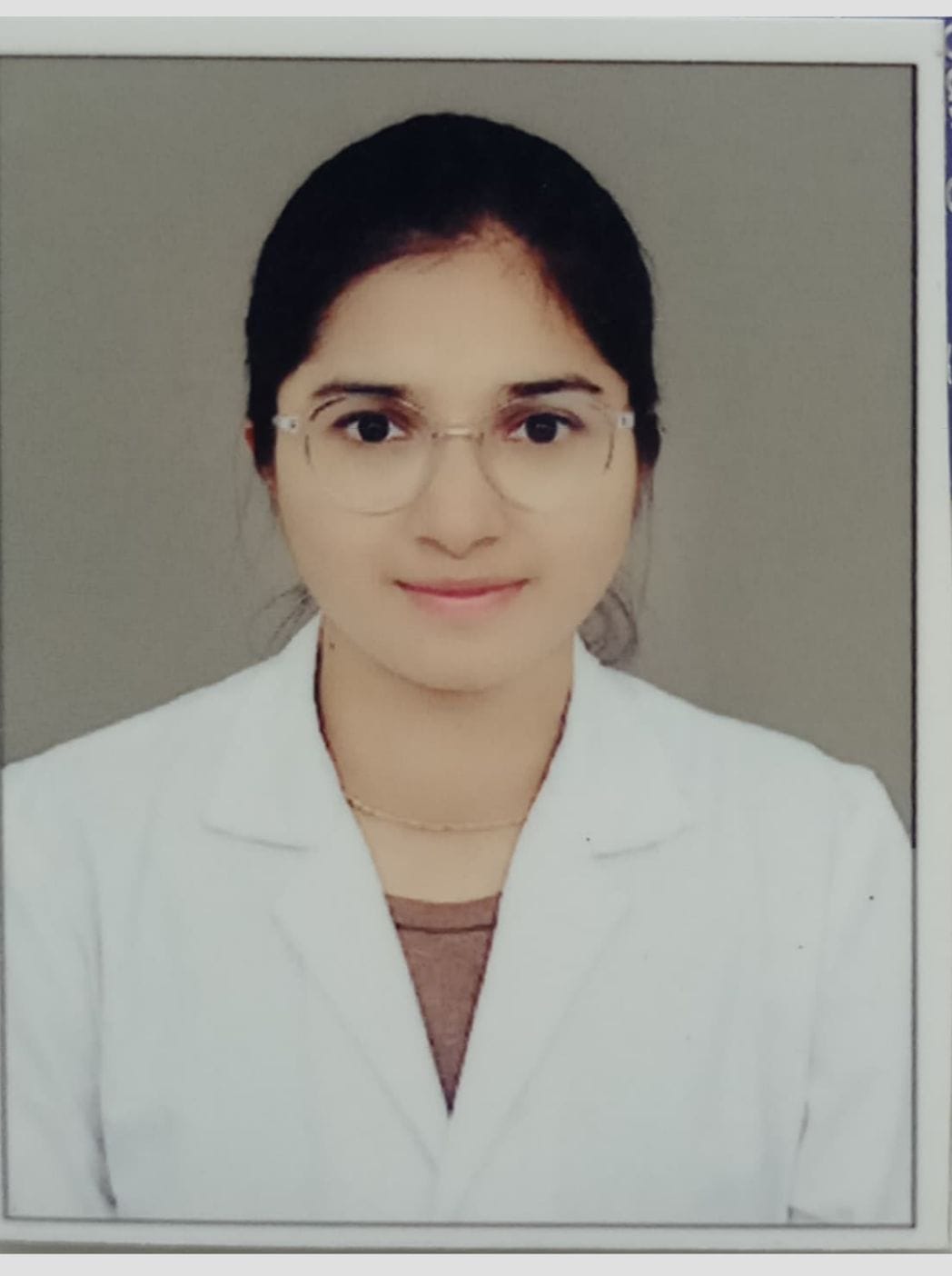 |
Dr Vaishnavi Wagh | Pharmacology | MBBS | 2026/06/09465 | Tutor | 2/6/2026 | Contractual |
Non-Teaching Staff
| Sr. No | Name of Staff | Designation |
|---|---|---|
| 1 | Sandip Kisan Maske | Clerk |
| 2 | Chandrashekhar Govinda Girhepunje | Lab Technician |
| 3 | Pramod Kharabe | Peon |
| 4 | Kartik Sakure | Attendant |
| SR NO | DEPARTMENTS | FACULTY NAME | TOPIC | YEAR | PUBLICATION |
|---|---|---|---|---|---|
| 1 | Pharmacology | Dr Mrunalini Kalikar | Pharmacology of Sedatives & hypnotics-I | 2026 | 1. Kalikar M, Pathak S, Sinha V, Meshram N, Dhargawe P. Knowledge and practice of medical faculties regarding alignment and integration in medical education: a cross-sectional study. Int J Community Med Public Health. 2026;13(6):2942-2946. doi:10.18203/2394-6040.ijcmph20261778. |
| Pharmacology of Sedatives & hypnotics-II | 2026 | 2. Suchi Bansod, Mrunalini Vinay Kalikar, Smita Sontakke, Jayesh Ishwardas Mukhi, Bhagyashree Babanrao Supekar, Sneha Pawar, Divya Raj. A prospective observational study of efficacy and safety of desloratadine and bilastine in patients of chronic spontaneous urticaria. Perspectives in Clinical Research. 20-02-2026. Pg 01-05. |
|||
| Pharmacology of Antiepileptics-1 | 2026 | 3. Ankita N. Patil, Mrunalini V. Kalikar, Pradipta A. Dutta. Knowledge attitude and practice regarding vitamin D supplementation among medical students & resident doctors at a tertiary centre: A cross sectional study. International Journal of Community Medicine and Public Health. Nov 2025 Vol 12. Pg 01-06. |
|||
| Pharmacology of Antipsychotics-II | 2026 | 4. Mrunalini V. Kalikar, Pradipta A. Dutta, Shubham S. Nimbhorkar. Impact of educational intervention on knowledge and awareness of good clinical practice among healthcare professionals at a tertiary care teaching hospital. Perspectives in Clinical Research. 25-09-2025. Pg 39-43. |
|||
| Pharmacology of Sedatives & hypnotics | 2026 | 5. Dr. Naresh Budhe, Dr. Sairam V Nagarajan, Dr. Punam Gosavi, Dr. Mrunalini Kalikar, Dr. Sukant Pandit, Mr. Piyush Nama. Knowledge, Attitude & Practice about Pharmacovigilance among 2nd year BDS students in a tertiary care teaching hospital. International Journal of Medical & Pharmaceutical Research. 02-10-2025. |
|||
| Research activity 1 | 2026 | 6. Sneha P. Pawar, Punam A. Gosavi, Mrunalini V. Kalikar. A comparative study of efficacy and tolerability of cetirizine and bilastine in patients of allergic rhinitis: An open label, randomized, parallel-group study. Perspectives of Clinical Research. 2025. |
|||
| AETCOM competencies 1 | 2026 | 7. Dr. Punam Gosavi, Dr. Saksham Gulati, Dr. Pradipta Dutta, Dr. Mrunalini Kalikar, Dr. Avinash Turankar, Mr. Piyush Nama. Impact of Educational Intervention on Knowledge, Attitude, and Practice regarding Pharmacovigilance: A Comparative Study of Homeopathic Practitioners and Nursing Students in a Tertiary Care Teaching Hospital. International Journal of Medical and Pharmaceutical Research. 24-07-2025. |
|||
| AETCOM competencies 1 | 2026 | 9. Dr. Sairam Vasanthakumari Nagarajan, Dr. Punam A Gosavi, Dr. Kalikar Mrunalini Vinay, Dr. Sukant Pandit, Dr. Sneha Pawar. Knowledge, Attitude & Practice about Ecopharmacology among healthcare professionals in a Tertiary Care Teaching Hospital. International Journal of Medical and Pharmaceutical Research. 28-May-2025. |
|||
| Pharmacology of Opioids-I | 2026 | 10. Purvastha Dhargawe, Mrunalini Kalikar, Neha Meshram, Shivaji Dhande. Knowledge, attitude and practice on human papilloma virus vaccination among male medical undergraduate and postgraduate students in a tertiary care teaching centre: an observational and cross-sectional study. Int J Community Med Public Health. 2025 Jun;12(6):2737-2742. |
|||
| Practical 15 – Pharmacodynamics I | 2026 | 11. Ganesh D, Kalikar MV. Role of lay person in ethics committee: Bridging expertise and public trust. Perspect Clin Res 2025; 16:99-101. |
|||
| Pharmacology of Opioids-II | 2026 | 12. Kataria, P. R., Kalikar, M. V., Dutta, P. A., & Kataria, A. R. Knowledge, attitude and practice of HPV vaccination among female undergraduate medical students at a tertiary centre: a cross-sectional study. International Journal of Community Medicine and Public Health, 12(4), 1787-1792. 2025. |
|||
| Research activity 2 | 2026 | 13. Gosavi PA, Pawar SP, Kalikar MV, Pise H, Ghotkar U. Knowledge, attitude & practice regarding COVID-19 vaccine precaution dose among health care professionals at a tertiary care teaching hospital in India: A cross-sectional study. Natl J Physiol Pharm Pharmacol 2024;14(10):2305-2310. |
|||
| Pharmacology of General anaesthetics and Preanesthetic drugs-I |
2026 | 14. Punam A Gosavi, Mrunalini V. Kalikar, Sunil Mahakalkar, Sneha P Pawar, Suchi Bansod & Piyush Nama. Impact of educational intervention on knowledge, attitude and practice about pharmacovigilance in nursing students in a tertiary care teaching hospital in India: A cross-sectional study. J. Pharma Vol 36, No. 6, PP-67-76. 04/05/2024. |
|||
| Pharmacology of General anaesthetics and Preanesthetic drugs-II |
2026 | 15. Ganesh N. Dakhale, Mrunalini Vinay Kalikar, Akhil Bhagwan Giradkar. Impact of accreditation on registered ethics committees in terms of quality and governance in India: A cross-sectional study. Perspect Clin Res 04-05-2024, 15:80-8. |
|||
| Pharmacology of Histamine and antihistaminics | 2026 | ||||
| Pharmacology of Cephalosporins and other Beta lactam antibiotics | 2026 | ||||
| Pharmacology of Aminoglycosides | 2026 | ||||
| Practical | 2026 | ||||
| Pharmacology of Macrolides | 2026 | ||||
| Pharmacology of Broad spectrum antibiotics (Tetra + Chol) | 2026 | ||||
| Pharmacology of newer antibacterials | 2026 | ||||
| Practical | 2026 | ||||
| Pharmacology of Antitubercular drugs | 2026 | ||||
| Pharmacotherapy of AKT, MDR, XDR and other special condition | 2026 | ||||
| Pharmacology of Antileprotics agents | 2026 | ||||
| Practical | 2026 | ||||
| Pharmacology of Antimalarials 1 | 2026 | ||||
| Pharmacology of Antimalarials 2 | 2026 | ||||
| Pharmacology of Antiamoebic and other Antiprotozoal drugs | 2026 | ||||
| Practical | 2026 | ||||
| Pharmacotherapy of STD | 2026 | ||||
| Pharmacotherapy of UTI | 2026 | ||||
| Pharmacology of Antiretroviral drugs 1 | 2026 | ||||
| Practical | 2026 | ||||
| Antifungal agents | 2026 | ||||
| Pharmacology of Antiretroviral drugs 2 | 2026 | ||||
| Occupational and environmental toxicology (SGT) | 2026 | ||||
| Practical | 2026 | ||||
| Chelating agents | 2026 | ||||
| Importance of Drug Compliance | 2026 | ||||
| Vaccines and Antisera (SGT) | 2026 | ||||
| Practical | 2026 | ||||
| National health programs (SGT) | 2026 | ||||
| Geriatric and Pediatric pharmacology (SGT) | 2026 | ||||
| Drugs used in skin disorders (SGT) | 2026 | ||||
| Practical | 2026 | ||||
| Importance of optimal use of drug therapy, storage of medicines | 2026 | ||||
| Pharmacology of Drugs for bronchial asthma and COPD | 2026 | ||||
| Pharmacology of Drugs for cough | 2026 | ||||
| Practical | 2026 | ||||
| Pharmacology of Drugs for acid peptic diseases | 2026 | ||||
| Pharmacology of Antiemetics and prokinetics | 2026 | ||||
| Pharmacology of Drugs for constipation | 2026 | ||||
| Practical | 2026 | ||||
| Pharmacology of Drugs for diarrhea | 2026 | ||||
| 2 | Pharmacology | Dr Harshal Pise | Introduction to Pharmacology with Orientation Lecture | 2025 | 1. Evaluation of analgesic and antipyretic activity of Nigella sativa: an experimental study. |
| Pharmacokinetics I – Absorption, Distribution | 2025 | 2. Evaluation of anti-inflammatory activity of Nigella sativa: An experimental study. |
|||
| Pharmacokinetics II – Metabolism, Excretion | 2025 | 3. Investigation of analgesic activity of xanthine oxidase inhibitor allopurinol: An experimental study. |
|||
| Practical 1 – Introduction to practical pharmacology + Drug Regulations, Drug development, Good Clinical Practice |
2025 | 4. Drug prescribing and dispensing pattern in pediatrics outpatient clinic of a rural tertiary-care teaching hospital. |
|||
| Pharmacodynamics I | 2025 | ||||
| Pharmacodynamics II | 2025 | ||||
| Adverse drug reactions – Types, mechanisms and precautions | 2025 | ||||
| Practical 2 – Drug dosage forms: Oral | 2025 | ||||
| Neurohormonal adrenergic transmission + Pharmacology of Adrenergic drugs-I | 2025 | ||||
| Pharmacology of Adrenergic drug II | 2025 | ||||
| Pharmacology of Anti adrenergic drugs – alpha blockers | 2025 | ||||
| Practical 3 – Drug dosage forms: Local | 2025 | ||||
| Pharmacology of Anti adrenergic drugs – beta blockers | 2025 | ||||
| Neurohormonal cholinergic transmission + Pharmacology of Cholinergic drugs – I | 2025 | ||||
| Pharmacology of Anti-cholinergic drugs | 2025 | ||||
| Practical 4 – Drug dosage forms: Parenteral | 2025 | ||||
| Pharmacology of Diuretics and antidiuretics 1 | 2025 | ||||
| Pharmacology of Diuretics and antidiuretics 2 | 2025 | ||||
| Pharmacology of coagulants and anticoagulants | 2025 | ||||
| Practical 5 – ORS Preparation | 2025 | ||||
| Pharmacology of antiplatelets; Pharmacology of thrombolytics and antifibrinolytics-I | 2025 | ||||
| Practical 6 – IV drip setting | 2025 | ||||
| Pharmacology of antiplatelets; Pharmacology of thrombolytics and antifibrinolytics-II | 2025 | ||||
| Pharmacology of Renin Angiotensin-Aldosterone system | 2025 | ||||
| Pharmacology of calcium channel blockers; Pharmacology of other vasodilators and sympatholytics | 2025 | ||||
| Practical 7 – Drug Dose Calculation Practical | 2025 | ||||
| Pharmacotherapy of Angina, IHD, Drugs for PVD-I | 2025 | ||||
| Pharmacotherapy of heart failure | 2025 | ||||
| Pharmacotherapy of Shock | 2025 | ||||
| Practical 8 & 9 – Pharmacokinetics I and II | 2025 | ||||
| Pharmacotherapy of Anemias | 2025 | ||||
| Pharmacology of Drugs for dyslipidemia | 2025 | ||||
| Pharmacology of Antiarrhythmics | 2025 | ||||
| Practical 10 – Prescription writing | 2025 | ||||
| Pharmacotherapy of Hypertension + special conditions | 2025 | ||||
| Pharmacotherapy of Angina, IHD, Drugs for PVD 2 | 2025 | ||||
| Pharmacotherapy of Antidiabetic drugs 1 | 2025 | ||||
| Practical 11 – Adverse drug reactions | 2025 | ||||
| Pharmacotherapy of Antidiabetic drugs 2 | 2026 | ||||
| Pharmacotherapy of Anti Thyroid drugs | 2026 | ||||
| Pharmacotherapy of Corticosteroids and Antagonist | 2026 | ||||
| Practical 12 – Rational Pharmacotherapy I | 2026 | ||||
| Pharmacotherapy of Estrogen-antiestrogen; Progestins-antiprogestin and Hormonal contraceptives-I | 2026 | ||||
| Pharmacotherapy of Estrogen-antiestrogen; Progestins-antiprogestin and Hormonal contraceptives-II | 2026 | ||||
| Pharmacology of Androgens-antiandrogens and infertility and erectile dysfunction | 2026 | ||||
| Practical 13 – Rational Pharmacotherapy II | 2026 | ||||
| Pharmacology of Oxytocics and tocolytics | 2026 | ||||
| Pharmacology of Drugs affecting calcium metabolism | 2026 | ||||
| Pharmacotherapy of Anterior pituitary hormones and their antagonist | 2026 | ||||
| Practical 14 – Drug administration on Manikins | 2026 | ||||
| Pharmacology of Sedatives & hypnotics-I | 2026 | ||||
| Pharmacology of Sedatives & hypnotics-II | 2026 | ||||
| Pharmacology of Antiepileptics-1 | 2026 | ||||
| Pharmacology of Antiepileptics-2 | 2026 | ||||
| Pharmacology of Antipsychotics-I | 2026 | ||||
| Pharmacology of Antipsychotics-II | 2026 | ||||
| Pharmacology of Sedatives & hypnotics | 2026 | ||||
| Research activity 1 | 2026 | ||||
| AETCOM competencies 1 | 2026 | ||||
| AETCOM competencies 1 | 2026 | ||||
| Pharmacology of Opioids-I | 2026 | ||||
| Practical 15 – Pharmacodynamics I | 2026 | ||||
| Pharmacology of Opioids-II | 2026 | ||||
| Research activity 2 | 2026 | ||||
| Pharmacology of General anaesthetics and Preanesthetic drugs-I | 2026 | ||||
| Pharmacology of General anaesthetics and Preanesthetic drugs-II | 2026 |
Professional Achievements
- Editor of the book
‘Essentials of Good Clinical Practice’. - Editor of the Research Ethics section of
Journal Perspectives in Clinical Research,
a PubMed-indexed journal. - Received the Hall of Fame Award in the annual
conference organized by the Indian Society for Clinical
Research thrice, in the years 2022, 2024 and 2025. - Co-Chair of the Ethics Council of
ISCR (Indian Society for Clinical Research)
and life member of FERCI. - Member of the Subject Expert Committee of
CDSCO, New Delhi. - Faculty of various national GCP workshops and has organized
more than 25 GCP workshops. - Has more than 66 research publications
in various national and international journals. - Received an ICMR Grant for
2 postgraduate dissertation works as a Guide,
as well as for 2 undergraduate STS projects. - Received the National Spotlight Award
in March 2026.
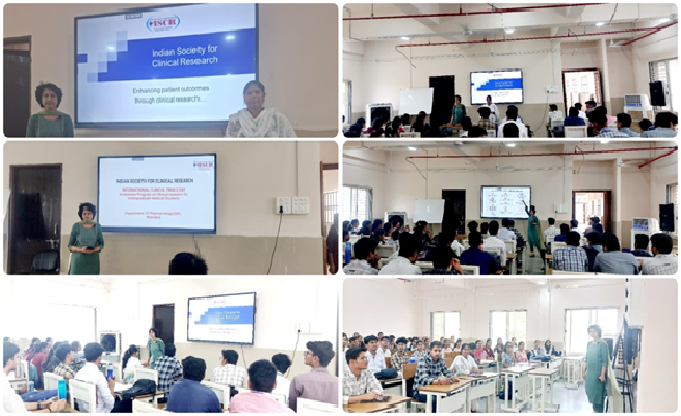
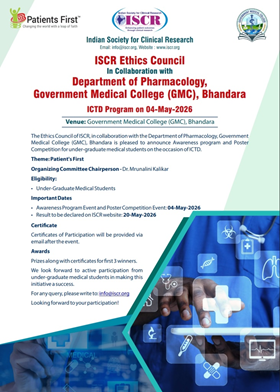
Awareness Programme on Clinical Research for Second Year MBBS Students on occasion of International Clinical Trials Day (20th May)
As part of International Clinical Trials Day (ICTD) 2026,
the Department of Pharmacology, Government Medical College,
Bhandara, in collaboration with the Ethics Council of the Indian Society for
Clinical Research (ISCR), organised an Awareness Programme on Clinical Research
for Second Year MBBS students.
The programme introduced students to the fundamentals of clinical research
and clinical trials, with emphasis on ethical principles, informed consent,
participant safety, scientific integrity, and responsible research conduct.
The interactive session highlighted the role of clinical research in
generating reliable evidence and improving patient care.
The programme witnessed enthusiastic participation and active engagement
from the students and encouraged an early understanding of their
responsibilities as future healthcare professionals.
Held under the theme “Patient’s First,” the programme
reinforced the importance of safeguarding the rights, safety, dignity,
and well-being of research participants.
The Department of Pharmacology sincerely acknowledges the support of the
Dean, Government Medical College, Bhandara, and the valuable collaboration
of ISCR and its Ethics Council in promoting awareness of ethical clinical research.
Poster Competition on the Theme “Patient’s First”
As part of the International Clinical Trials Day (ICTD) 2026 celebrations, the Department of Pharmacology, Government Medical College, Bhandara, in collaboration with the Ethics Council of the Indian Society for Clinical Research (ISCR), organised a poster competition for undergraduate medical students on the theme “Patient’s First.”
The competition was organised with the objective of encouraging undergraduate students to explore and creatively communicate the importance of patient-centricity, research ethics and the protection of participants’ rights and well-being in clinical research.
The response from the students was highly encouraging. The entries reflected the students’ understanding of the importance of placing patients at the centre of every clinical research endeavour and presented the theme through a combination of scientific content, creativity and visual communication.
The submitted posters were displayed in the Department of Pharmacology and evaluated by a panel of four faculty judges:
- Dr. Manoj Tallapalliwar
- Dr. Poornima Kodate
- Dr. Hardas
- Dr. Dhruve Soni
Following careful evaluation and discussion, the three best posters were selected by consensus. The entries were assessed with consideration to their relevance to the theme, scientific accuracy, clarity, creativity and overall presentation.
The competition provided students with a meaningful platform to engage with the ethical dimensions of clinical research while encouraging creativity, scientific thinking and patient-centred perspectives.
The Department of Pharmacology extends its sincere appreciation to all the participating students, faculty members and judges for their valuable contribution to the success of the event. Special gratitude is expressed to the Dean, Government Medical College, Bhandara, for granting permission and providing continued support and encouragement for the initiative.
The programme reinforced the enduring message that ethical and responsible clinical research must always place the patient at the heart of medical advancement — “Patient’s First.”
CME
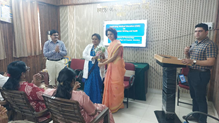
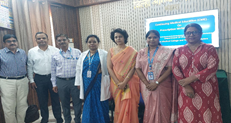
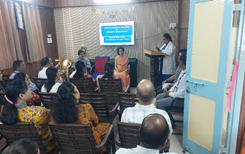
Department of Pharmacology, Government Medical College (GMC), Bhandara successfully organized training workshop on ‘Prescription Writing and Audit’ on 24th April 2026. Approximately 35 participants were present in each workshop. The essence of the workshops were the interactive sessions.
Following Faculties Delivered Various Sessions
- Dr. Mrunalini Kalikar (Professor and Head, Department of Pharmacology)
- Dr. Harshal N. Pise (Associate Professor)
- Dr. Dhruv Soni (Assistant Professor)
Dr. Sujata Dhudhgaonkar, Dean, GMC Bhandara, was present as the chief guest for the function on 24th April 2026 who shared his experience and thoughts about the workshop and clinical research.
The session focused on the principles of rational drug therapy, essential components of a prescription, appropriate drug selection, dosage and duration, common prescribing errors, and the concept of P-drugs . Interactive case-based discussions helped participants understand the importance of patient-specific and judicious prescribing.
The programme concluded with an engaging discussion and active participation from the attendees. The CME provided a valuable opportunity to update knowledge and reinforce safe and rational prescribing practices for better patient care .